Beyond its historic palaces and vibrant festivals, Benin Republic is also a destination where flavour tells a story. For curious travellers and food lovers, exploring cuisines is a rich cultural experience. Whether you’re walking through a local market in Cotonou or relaxing in a beach resort, the Benin food scene offers an authentic West African taste that’s both hearty and unforgettable.
Beninese cuisine is deeply rooted in simplicity, fresh local ingredients, and generations of culinary tradition. Its flavours are bold yet balanced, with a delightful mix of spice, texture, and aroma. Dishes are typically centred around maize, rice, or yam, accompanied by richly layered sauces made from tomatoes, onions, native peppers, and indigenous herbs. Whether it’s street food, homemade meals, or festive feasts, Benin’s culinary scene captures the heart and soul of the country.
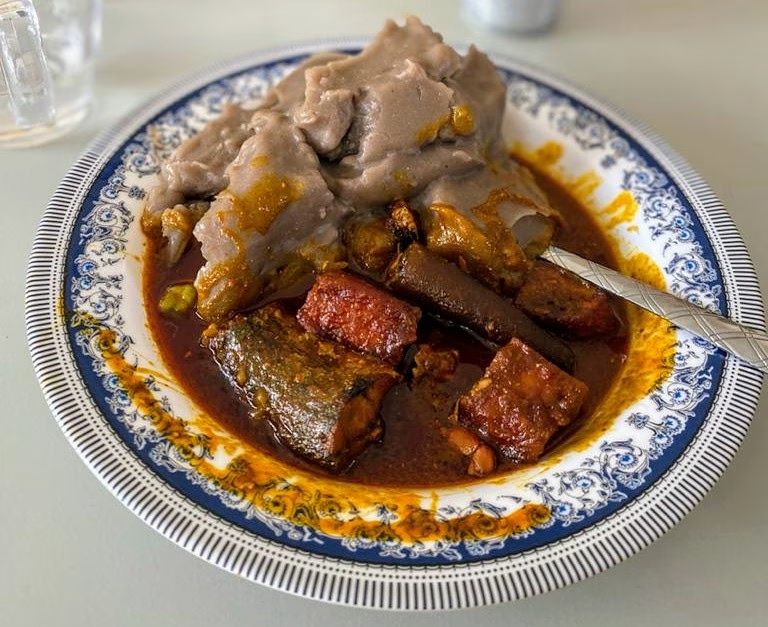
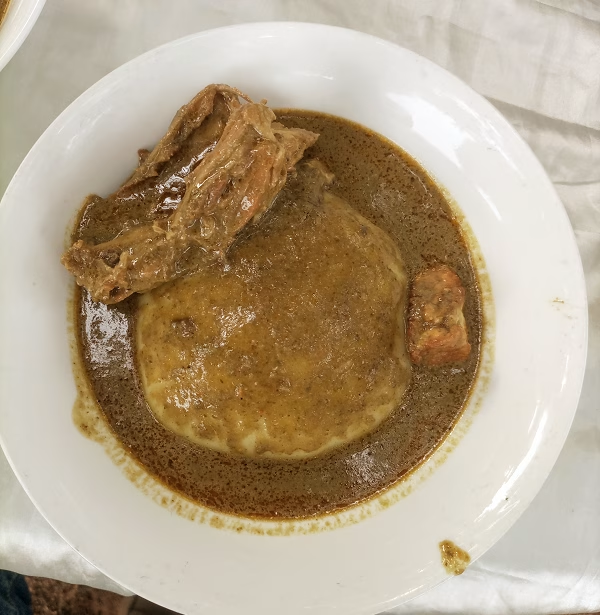
A celebratory dish, especially during the Yam Festival in Savalou (15 August), pounded yam is made by mashing boiled yam until it transforms into a smooth, stretchy dough. It’s traditionally served with a variety of spicy soups and sauces.
Best enjoyed with: Egusi (melon seed soup) or groundnut soup
Cultural tip: Often reserved for royal ceremonies and major festivals in northern Benin
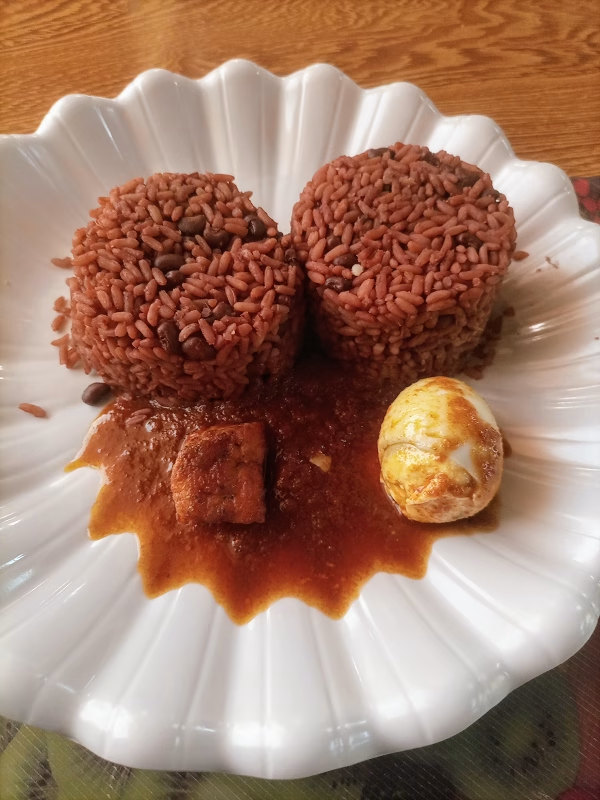
La pâte is the foundation of many Beninese meals. Made by cooking maize, cassava, or millet flour into a smooth dough, pâte is enjoyed across all regions and comes in different forms: pâte blanche (maize); pâte rouge, cooked with palm oil; and pâte noire (sorghum or millet). Each type is served with distinct sauces depending on the region.
Popular pairings: palm nut soup, peanut sauce, gboman (green leaf stew), or sauce graine
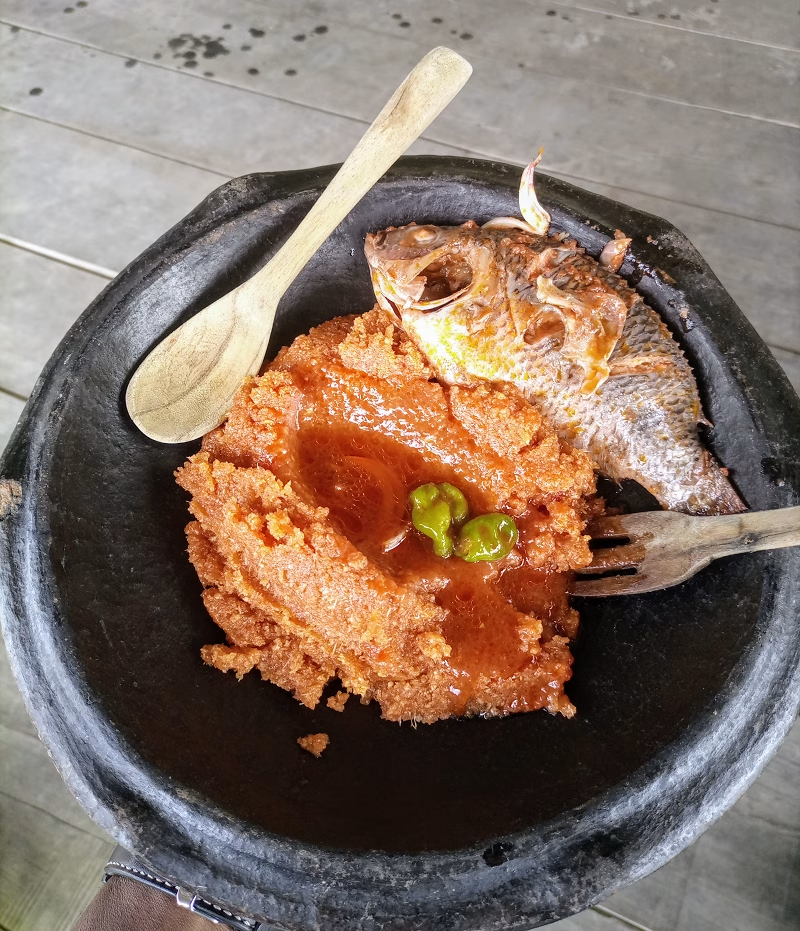
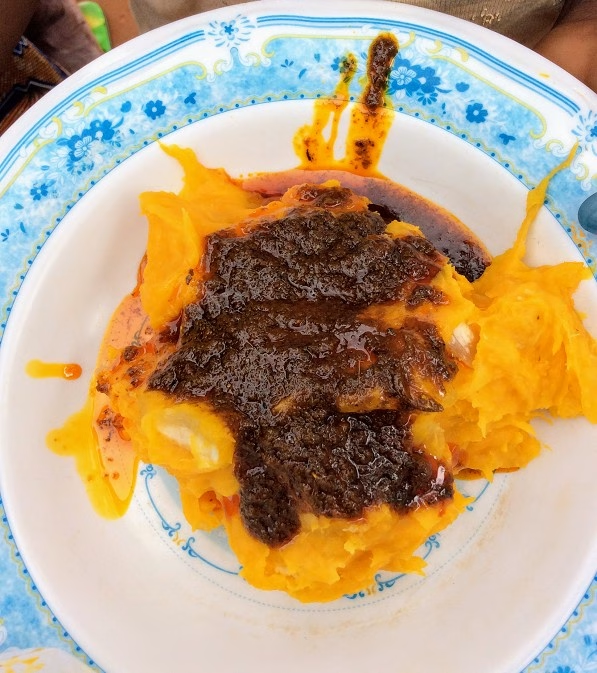
Akassa is a smooth, slightly sour maize pudding served with spicy tomato sauce and crispy fried fish. It’s a staple street food that never disappoints. It is always fresh, hot, and affordable.
Why you should try it: Filling, flavourful, and wonderfully simple
Made from the extract of pounded palm nuts, this reddish, slightly oily soup is thick and flavourful. It’s common in both everyday meals and special occasions.
Best with: Pounded yam or pâte rouge.
Creamy, rich, and packed with flavour, this peanut-based sauce is a West African classic. In Benin, it’s often served with rice, pâte, or yams.
Goes well with: Chicken, beef, or smoked fish
Don’t miss: The green chili paste served on the side, it elevates the entire dish
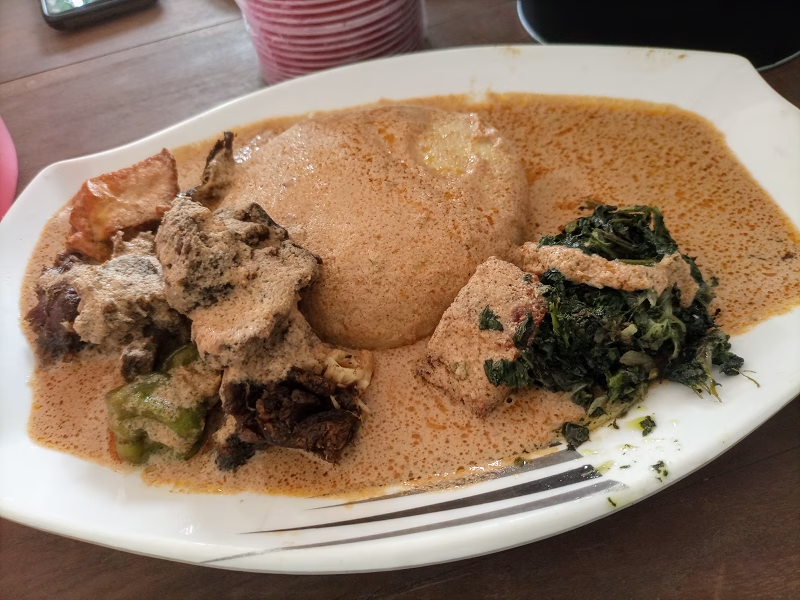
Gboman is a leafy green vegetable, similar to spinach, cooked into a savoury stew. When paired with sauce graine (palm nut sauce), it creates a creamy, earthy meal.
Twist: Add wagashi (cheese) for a northern-style variation
Good to know: Vegetarian-friendly and deeply comforting
Ripe plantains are sliced and fried until golden and caramelised at the edges. This beloved dish is enjoyed across all age groups as a snack or side.
Perfect pairings: Grilled fish, spicy sauces, or simply on its own
Insider tip: Once you try it, you might find it hard to stop
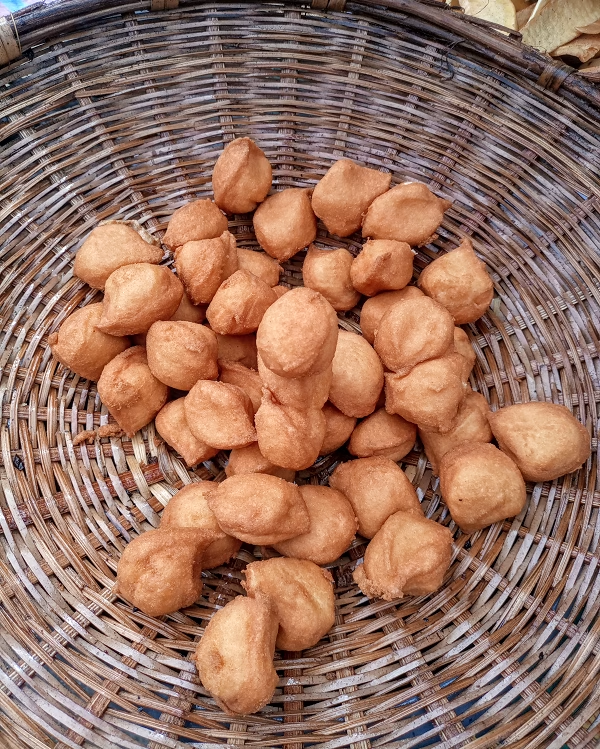
These golden, deep-fried balls of sweet fermented dough are crisp on the outside and soft inside. A popular street snack, especially in the mornings and evenings. Yovo doko is also served with porridge made from maize, soybean, sorghum, etc.
Best served with: A chilled glass of Bissap (hibiscus drink)
For whom: Perfect for sweet lovers and street food adventurers
This crunchy snack is made from ground peanuts, seasoned and deep-fried. Popular throughout the country. It’s eaten on its own or crumbled into porridge for breakfast. You can get spicy options or not, depending on your preference.
Where to find: Markets in Cotonou, etc.
Why it stands out: High in protein and full of West African character.
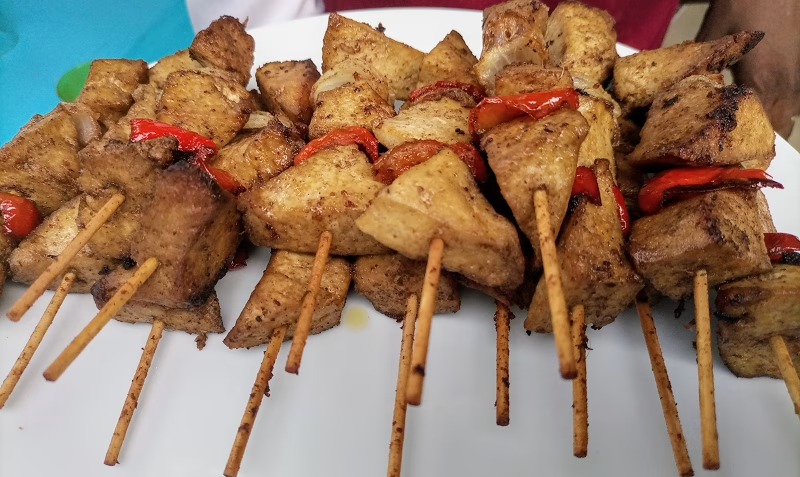
A soft, mild cheese originating from the Fulani communities in the north. Typically fried and served with hot sauce or added to stews. It is derived from cow’s milk and comprises high protein, calcium and vitamin D content responsible for building strong bones and muscles.
Best tasted: Fresh at morning markets or during festivals
Pro tip: Try it fried with a touch of pepper sauce for an unforgettable bite
A traditional spirit distilled from fermented palm wine. Strong and aromatic, sodabi is often used in ceremonies but also enjoyed socially. It’s also a great souvenir to gift family and friends back home.
A traditional millet beer, brewed and often shared in communal settings. Expect a mildly sour taste and a strong cultural significance.
Refreshing popular non-alcoholic drinks made from hibiscus and ginger root. Commonly sweetened and served cold. ideal for hot afternoons.
Street food stalls: serve up hot meals late into the night.
Cultural centres and cooking workshops: allow tourists to try their hand at traditional recipes.
Markets: Grab snacks like yovo doko, aloko, or grilled corn on the go
With a Guide: Book a food tour with 2MorrowTrip for a curated experience (plus translation help if needed)
Final Thoughts: Come Hungry, Leave in Love
Beninese food is about more than taste; it’s about connection, culture, and community. For families, food lovers, and cultural explorers, whether you’re sipping on cold Bissap under the Cotonou sun or trying out new dishes, tasting Benin is a journey in itself.
When you book with 2morrowTrip, your premium tourism partner in Benin Republic, we ensure you enjoy the full flavour of your travel, one delicious bite at a time.
Ready to taste the heart of Benin?
Let us plan your cultural and culinary tour today.
Contact us at: twomorrowtrip@gmail.com